Most warranty problems are assembly problems in disguise.
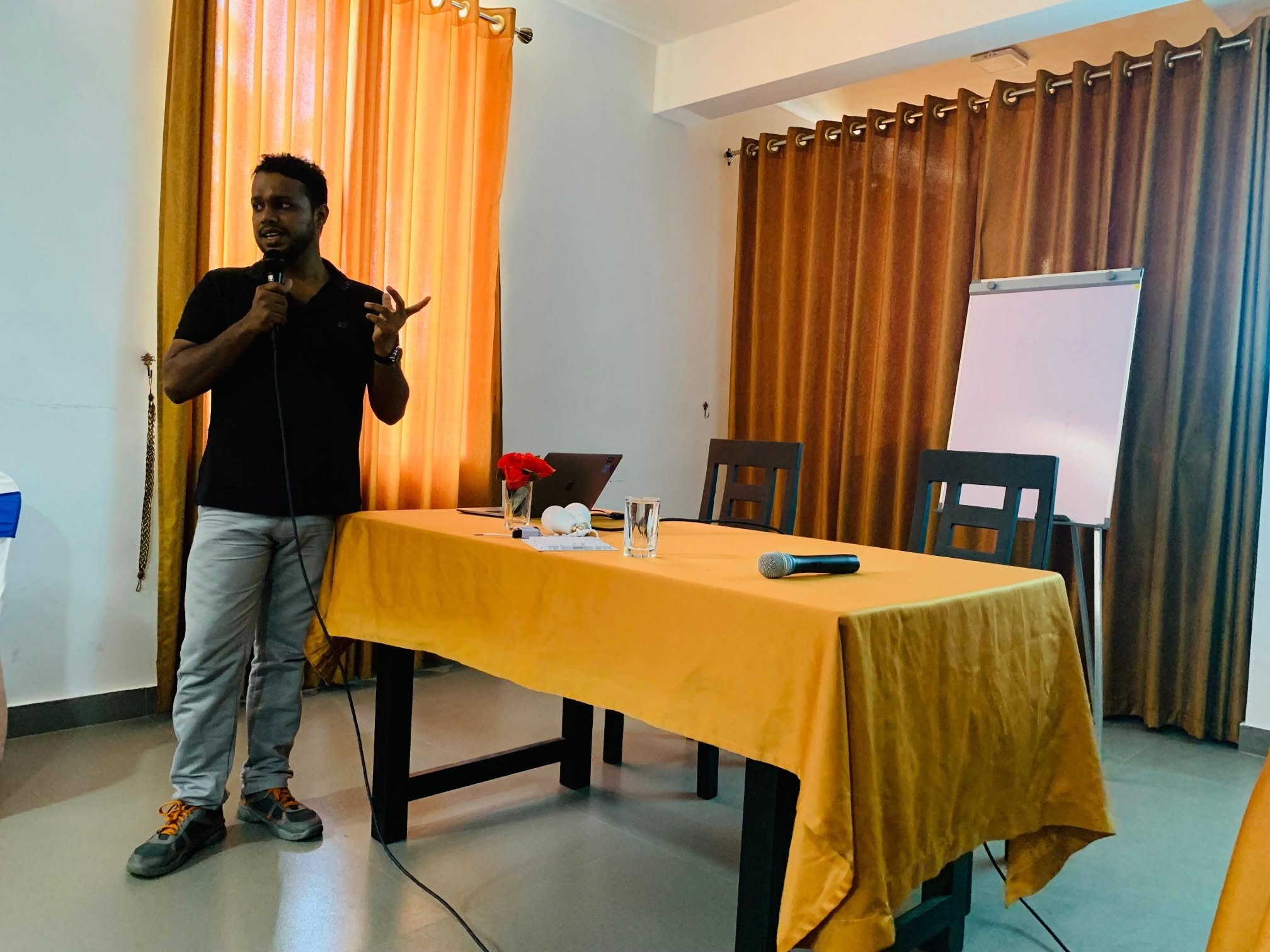
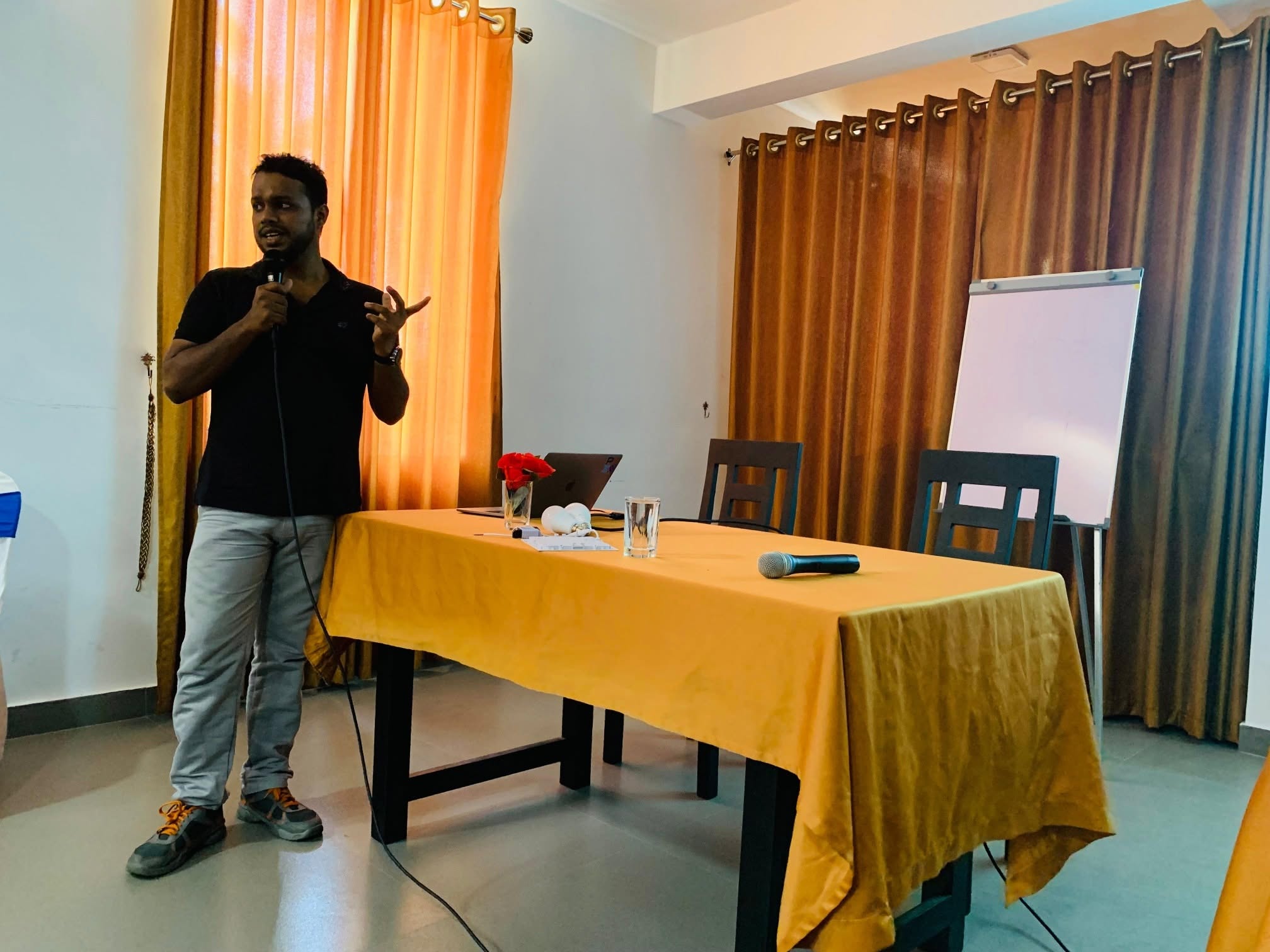
That was the central thesis when Ming Industries invited me to run a technical training session for their team in Pasikuda. Their LED bulbs and panel lights were coming back under warranty, and the question on the table was: why?
The Brief
Ming Industries manufactures and distributes LED lighting under the MING LED brand out of Batticaloa. They had noticed a pattern in product failures and wanted their assembling staff and sales team to understand the product at an engineering level — not just how to build it, but why it's built the way it is, and where things go wrong when assembly isn't done right.
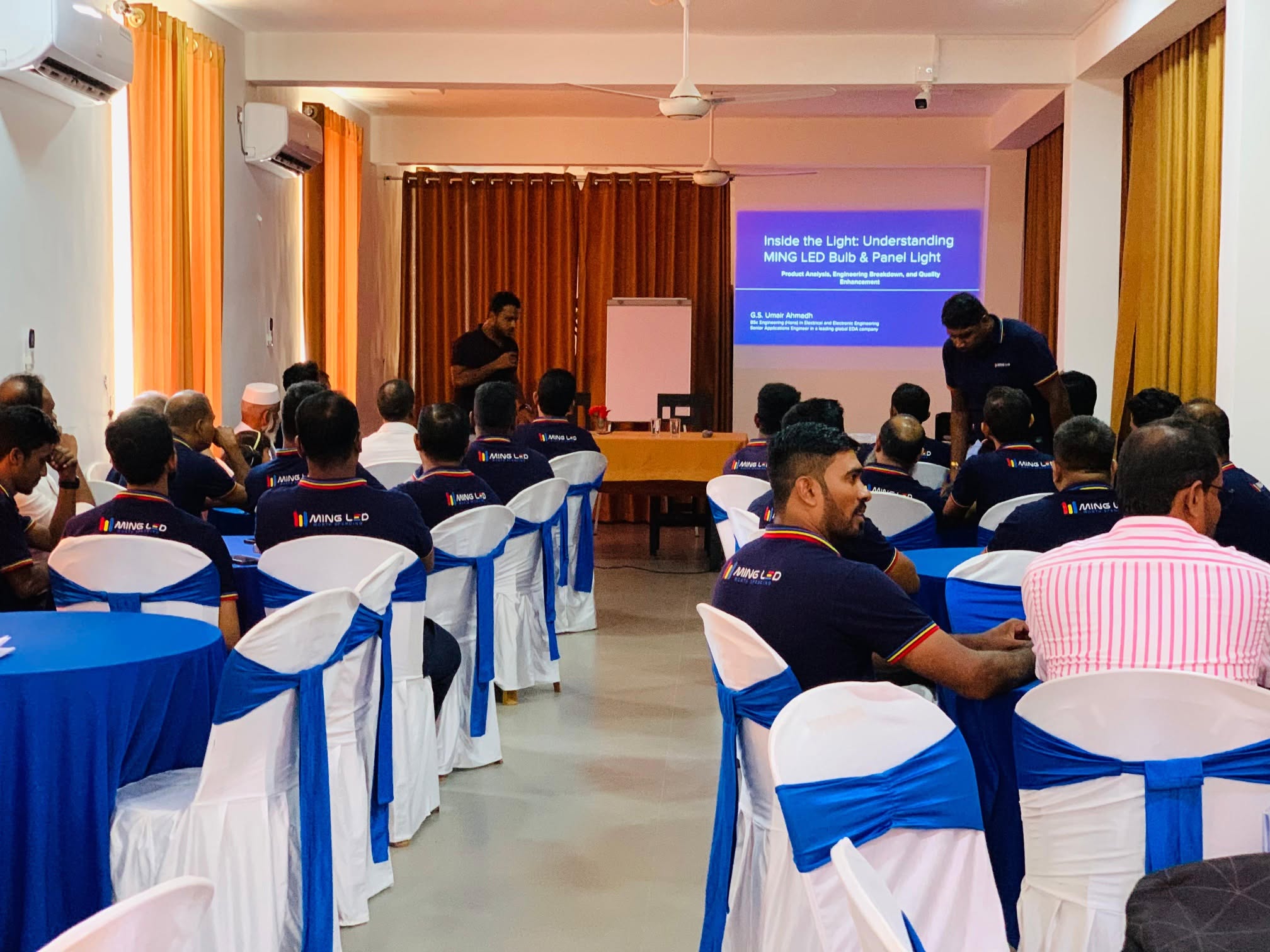
The session was held on 22nd June 2025 at the Sun Ray Rest House in Pasikuda.
What I Covered
The workshop was titled Inside the Light: Understanding MING LED Bulb & Panel Light — Product Analysis, Engineering Breakdown, and Quality Enhancement.
I structured it in three parts:
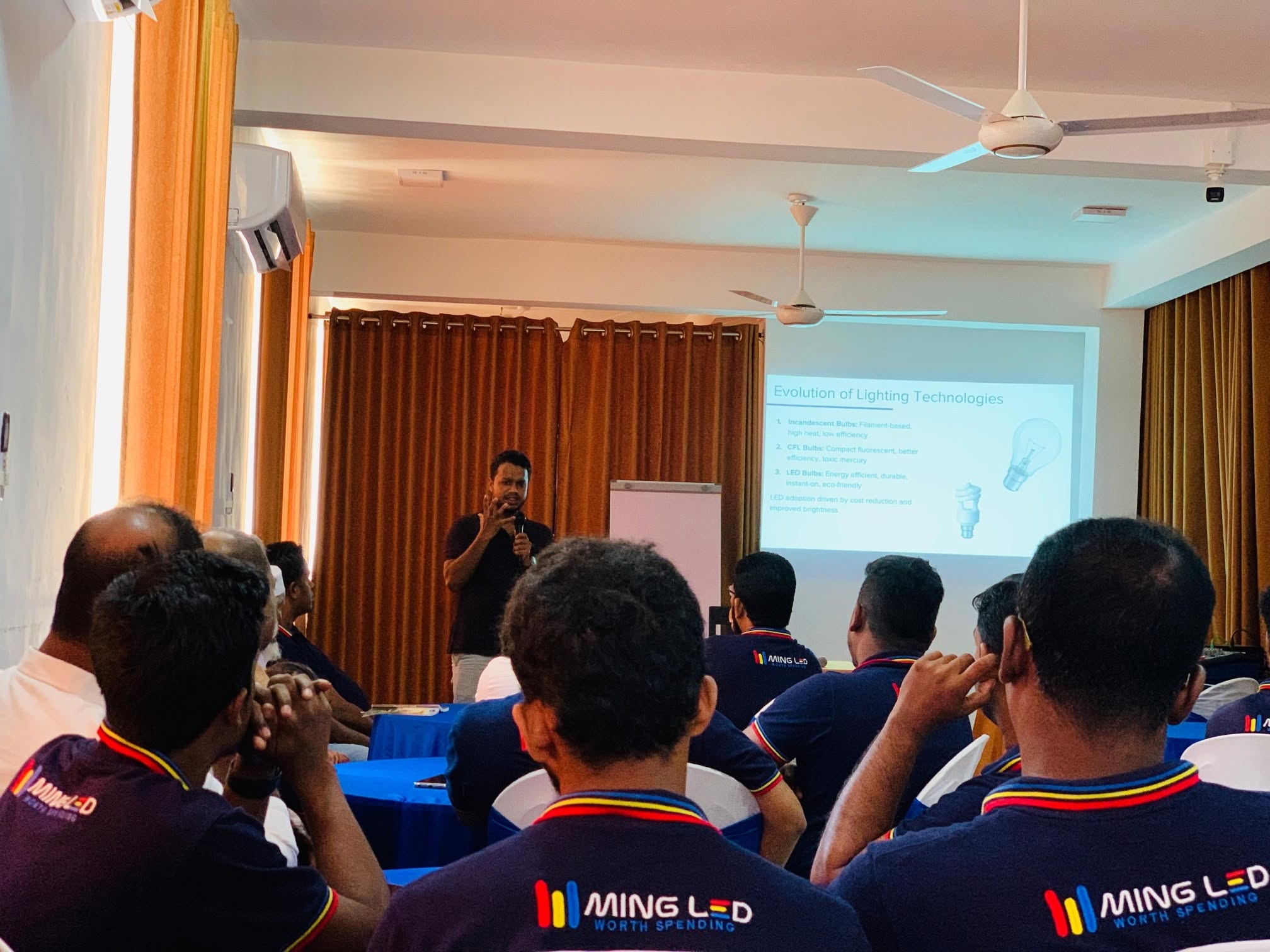
1. How we got here — the evolution of lighting Starting from incandescent filament lamps through CFL to modern LED, the goal wasn't a history lesson. It was to show why LED design makes certain assembly tolerances non-negotiable. The physics of solid-state lighting doesn't forgive shortcuts the way older lamp formats sometimes did.
2. What's actually inside an LED product A component-level teardown of both bulb and panel light formats. Driver circuits, LED arrays, thermal paths, housing tolerances. I walked through how each component interacts with the others and where stress points accumulate under real operating conditions.
3. Root cause diagnosis — where the warranty failures came from This was the core of the session. After analyzing the failure patterns, the culprit wasn't design or component quality — it was assembly practice. Specific steps in the process, when done incorrectly, were creating failure modes that only showed up weeks or months later in the field. I gave the production team concrete, corrective guidance: what to do differently and why the current approach was creating problems downstream.
For the sales team, the focus shifted to product knowledge — understanding what they're selling at an engineering level so they can speak confidently to customers and handle technical questions without guessing.
Working With a Diverse Audience
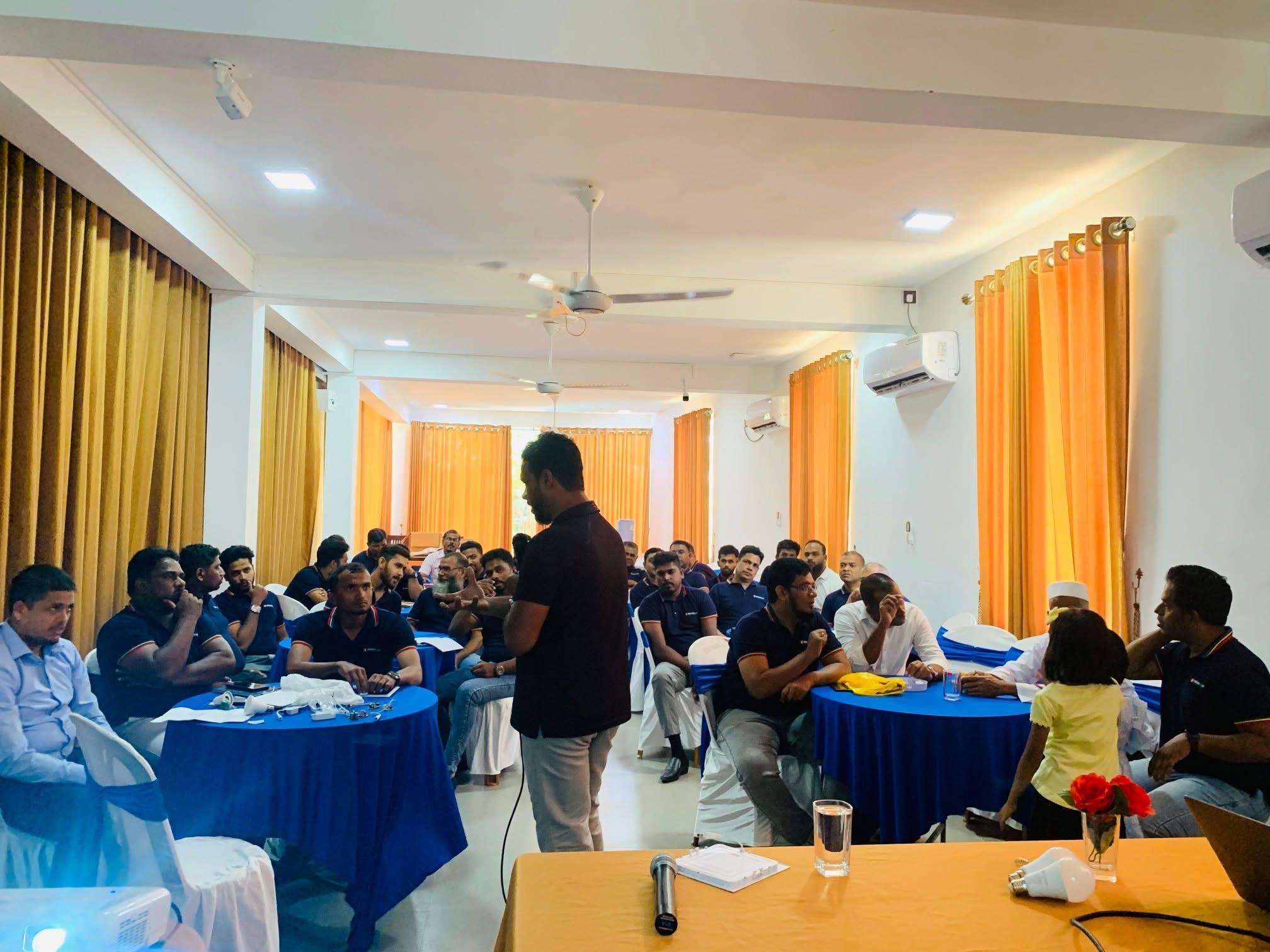
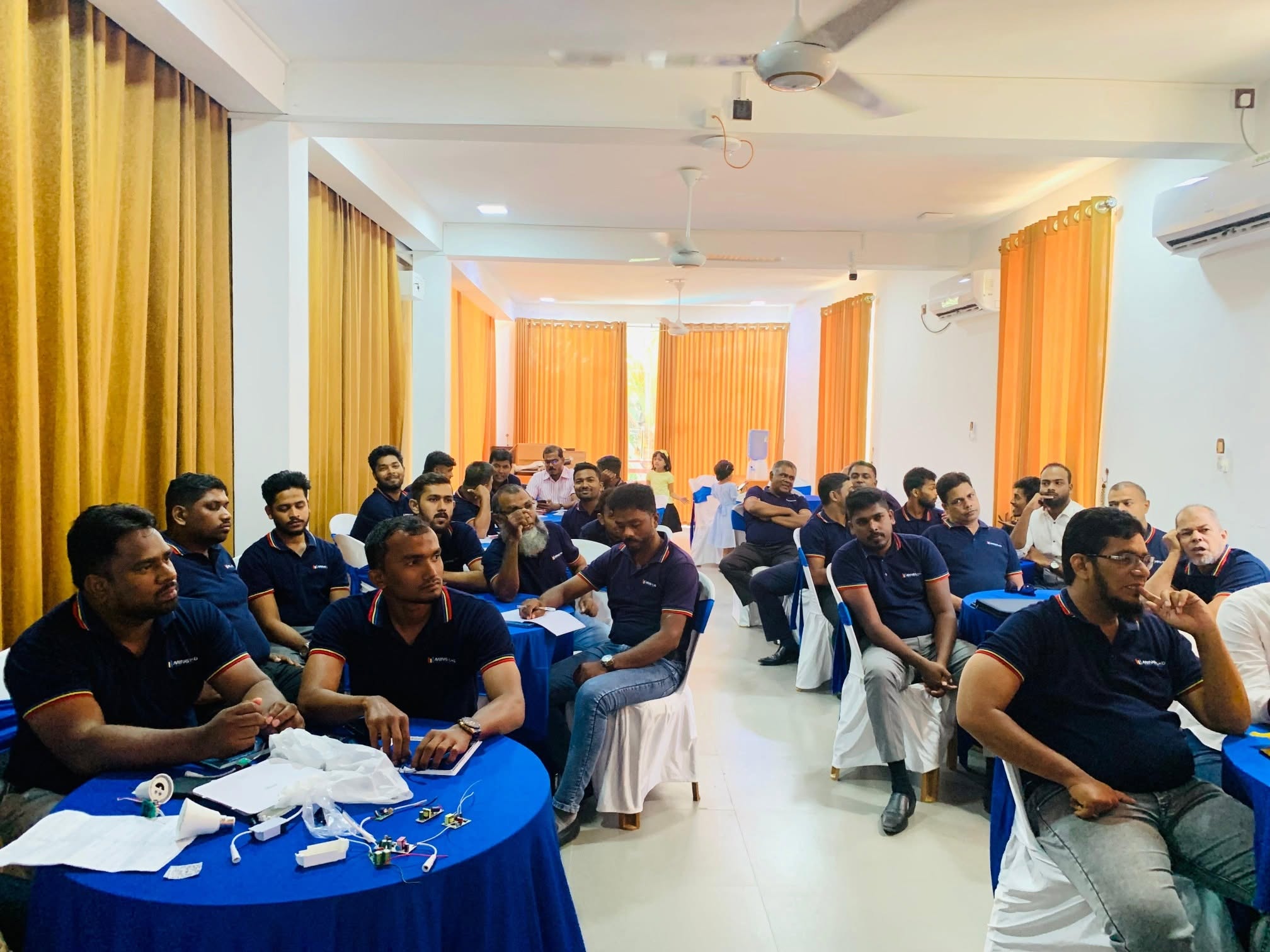
Running a session where half the room is production workers and half is salespeople is a different challenge than a pure technical briefing. The concepts had to land for both.
I leaned on physical intuition where possible — describing thermal management in terms the assembly team could connect to what they handle daily, and translating the same ideas into product reliability talking points for sales. Both groups left with something they could actually use.
The Result
The failures weren't a mystery — they had a cause, and the cause was fixable. That's the most satisfying kind of problem to hand back to a team: not "this is hard," but "here's what to change on Monday."
Ming Industries left with documented process improvements, their assembly staff with a better mental model of what they're building, and their sales team with engineering-level product knowledge.
If your team is dealing with unexplained product failures or needs a technical training session on electronics manufacturing or embedded systems, get in touch.